Apple's Supply Chain For iPhone 17 To Be Hit As US Increases Tariffs On China By 145%
Malaysians may also feel the pinch.

By Sukhbir Cheema — 11 Apr 2025, 03:35 PM
Apple's carefully calibrated global machine is starting to feel the strain as trade tensions between the US and China reach boiling point
Concerns over the tech giant's supply chain are mounting — not just in China or the US, but across markets like Malaysia. Though the latest tariffs introduced by Beijing largely sidestep iPhones, uncertainty is in the air. In a tit-for-tat, the US has increased tariffs on certain goods from China to 145%.
According to South China Morning Post, an Apple store employee in Beijing's Sanlitun district said more customers have been asking whether prices are set to rise.
For now, Apple has kept pricing for its iPhone 16 line — including the new 16e — steady across platforms like JD.com and Tmall. Behind the scenes, however, suppliers are bracing for impact.
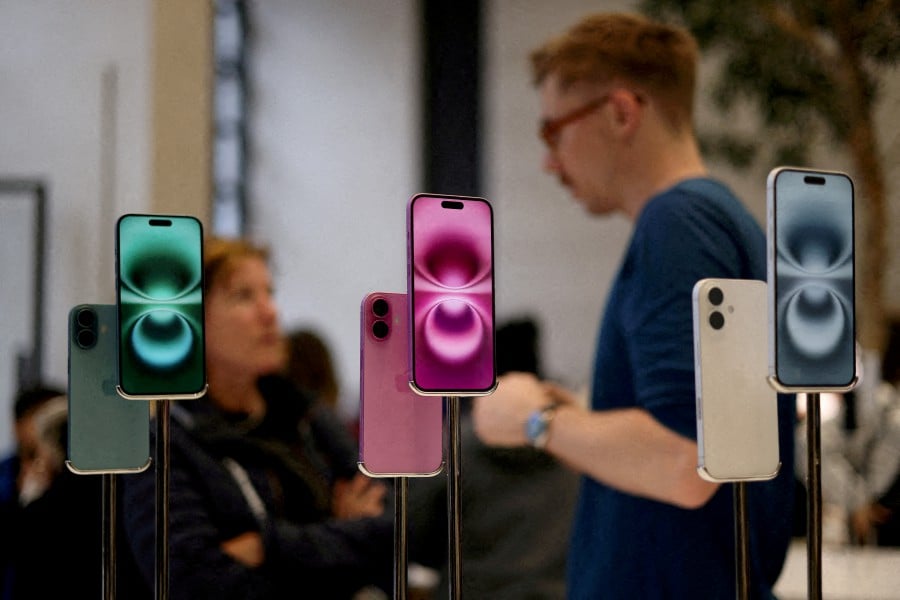
A supply chain consultant close to Apple's partners in China noted that while current models may be safe, the upcoming iPhone 17 could carry a heftier price tag globally as costs ripple through production lines.
That ripple could reach Malaysian shores.
Apple's pricing is pegged to the US dollar, so a weaker ringgit will already make devices more expensive.
Combine that with potential tariff-driven hikes — estimated at up to US$240 (RM1,140) per iPhone — and Malaysian consumers may soon find themselves paying significantly more.
Adding to the pressure, Apple has reportedly chartered cargo flights to rush 600 tonnes of iPhones from India to the US ahead of tariff deadlines — an unusual and costly move that hints at deeper logistical strain.
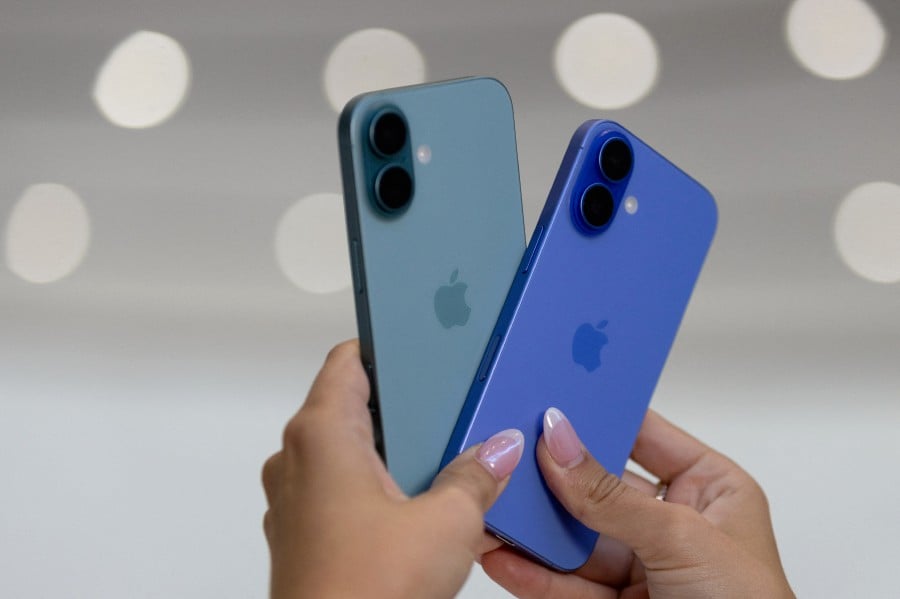
With Apple prioritising larger markets during disruption, Malaysians might also face longer waits for new model releases
Retailers in Malaysia may be forced to adjust strategies, relying more heavily on instalment plans and promotions to soften the blow.
Meanwhile, interest in older or refurbished iPhones could rise, possibly driving up prices in the second-hand market.
Apple has yet to comment publicly, and suppliers like Luxshare have denied plans to relocate production. But as global pressures grow, Malaysian consumers and retailers alike may need to prepare for a bumpier — and more expensive — road ahead.
