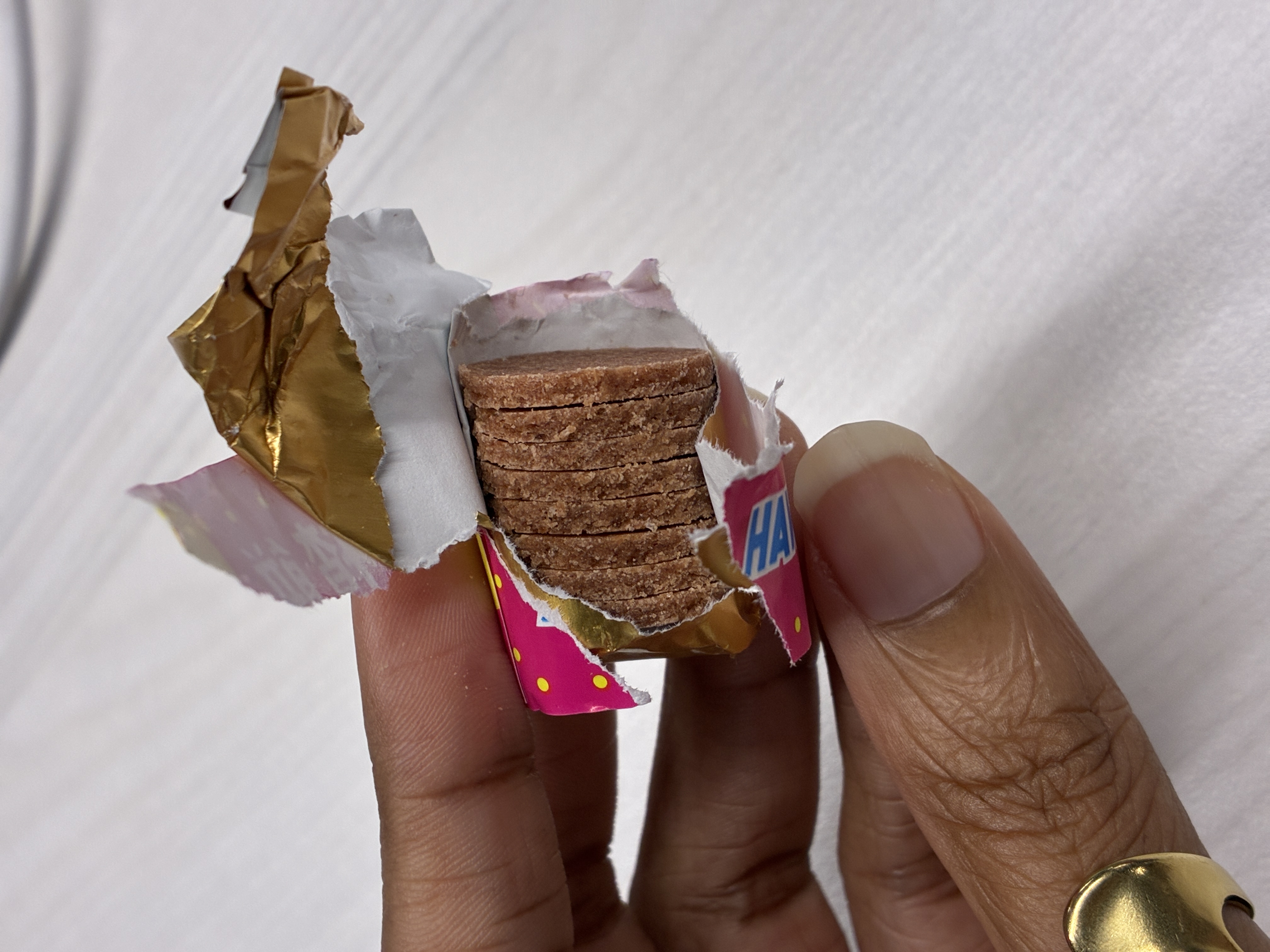
Remember Haw Flakes? Here's What's Actually Inside Those Pink Discs
Before it was 'candy', haw flakes were medicine.

By Tamara Jayne — 23 May 2025, 10:25 AM
If you grew up in a Malaysian household (or anywhere in Asia, really), chances are you've unwrapped a roll of haw flakes at some point in your life

Those paper-wrapped stacks of dusty pink discs were a staple at sundry shops, Chinese medicine halls, and even pasar malam stalls — usually priced just right for a kid's weekly allowance.
But have you ever stopped to wonder what haw flakes are actually made of? And why they were even a thing to begin with?
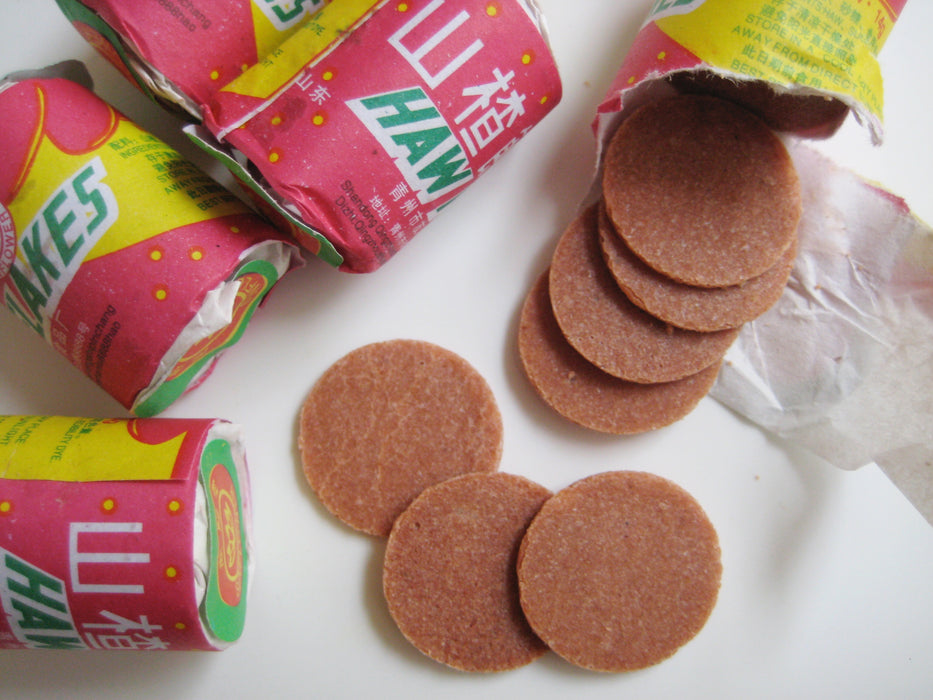
At its core, haw flakes are made from the Chinese hawthorn fruit — and not much else
The main ingredient in haw flakes is the fruit of the Chinese hawthorn tree (Crataegus pinnatifida). It looks a bit like a small, red apple, and has been used in traditional Chinese medicine for centuries.

To make haw flakes, the fruit is boiled down and puréed, then mixed with sugar into a thick paste. This paste is then flattened, cut into discs, and dried until they harden into those recognisable crumbly wafers.
That's basically it. No hidden chemicals, no fancy additives — just hawthorn fruit and sugar. Some modern versions might include food colouring or preservatives, but the OG stuff? Pretty straightforward.
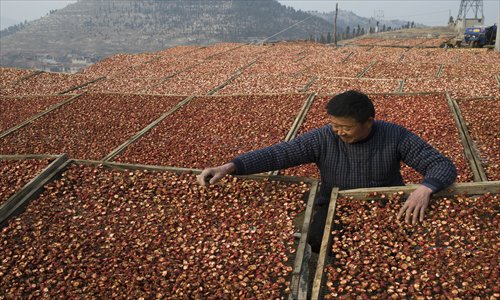
Hawthorn was originally used as a digestive aid, which is why haw flakes were sometimes sold in medicine shops
It is believed to aid digestion, improve blood circulation, and help with cholesterol. That's why you'd sometimes see haw flakes stacked near the po chai pills or herbal balms — not in the sweets aisle.
However, they aren't exactly health food. They're high in sugar, and depending on the brand, might include artificial colouring.

At the end of the day, haw flakes were more than just a treat — they were a shared childhood experience
Whether you got them as a little snack, shared them with friends, or traded them with cousins during Chinese New Year, haw flakes were part of a collective memory.
They taught us about flavours that weren't just sweet, but also sour, a bit bitter, and surprisingly complex. Maybe that's why they stuck with us, long after the wrapper was gone.