Why Do Some Chinese Restaurants Serve Watermelon After Your Meal? This Could Be The Reason
And it's usually free of charge.

By Jeremy Ng — 27 May 2025, 03:04 PM
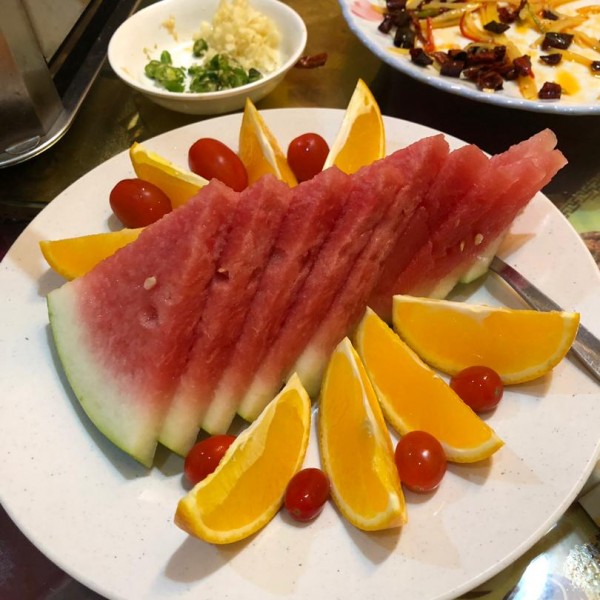
If you've eaten at a Chinese restaurant in Malaysia, chances are you've been served a plate of watermelon just before the bill arrives
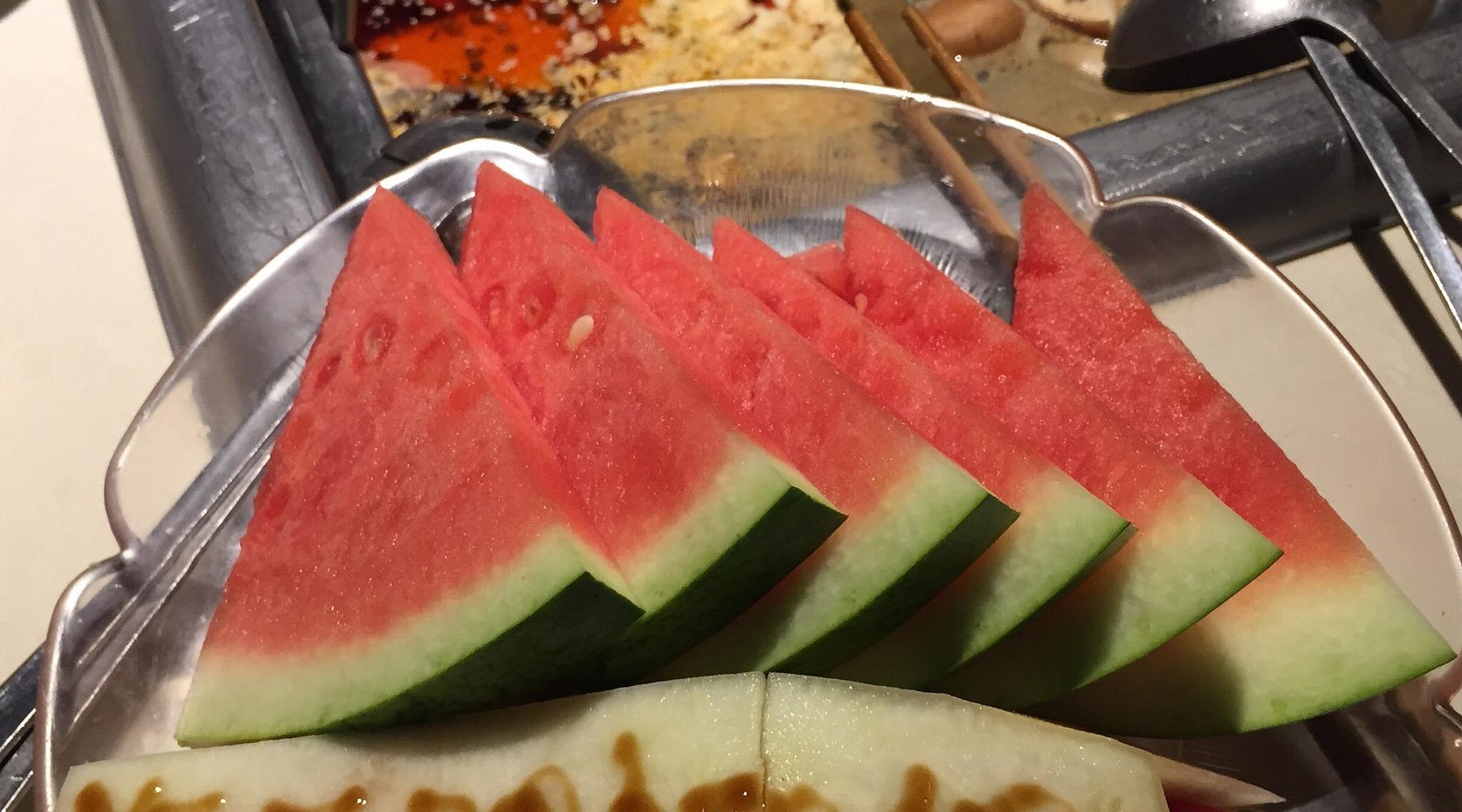
It might seem like a small gesture, but this humble fruit actually carries years of cultural habit, practicality, and tradition behind it.
Back in the '70s and '80s, when air-conditioning wasn't a given and menus were much simpler, Chinese restaurants often included a complimentary fruit platter at the end of a meal
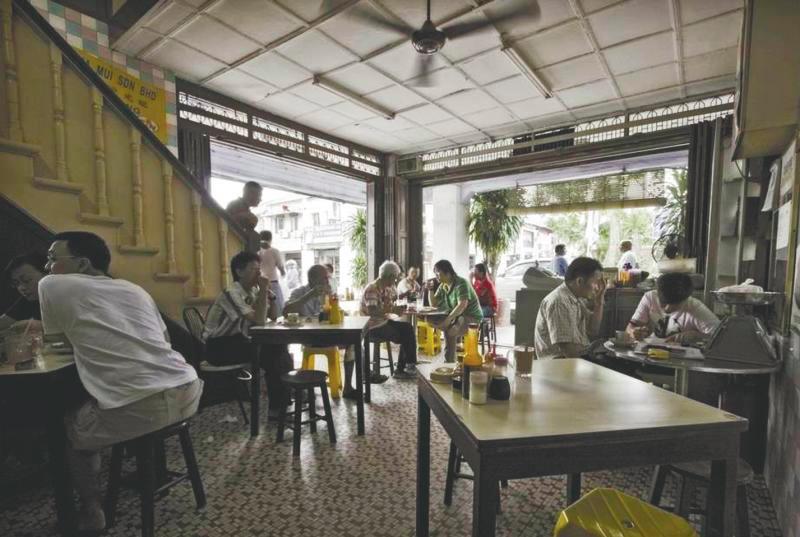
Many Chinese restaurants, both in China and abroad, have a tradition of serving complimentary fruit after a meal. This practice is well-documented: After the main courses and soup, some restaurants offer free fruit, typically sliced and presented on a large plate.
Watermelon — being cheap, hydrating, and cooling — was one of the go-to fruits. It was easy to prepare, could be stored in bulk, and offered a refreshing contrast to heavier dishes like butter prawns or claypot pork belly.
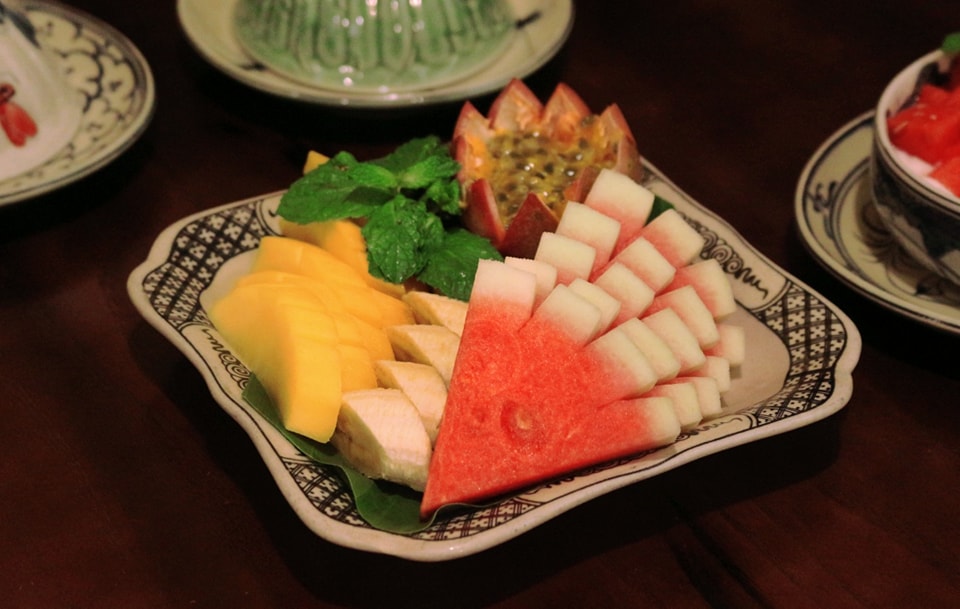
The fruit platter, including watermelon, was typically provided as a complimentary gesture, not as a menu item to be charged for. This practice became part of the expected service, and diners came to anticipate it as a standard conclusion to their meal.
Beyond that, watermelon is also known as a 'cooling fruit' in traditional Chinese culture
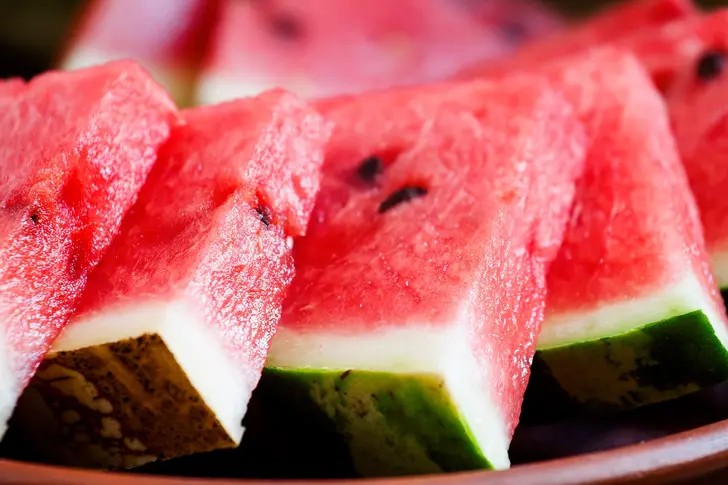
According to traditional Chinese medicine, watermelon is classified as a 'cooling' food that helps rebalance the body, especially after a greasy or spicy meal. The belief is that too much 'heat' (yang energy) in the body, from fried food, for example, can lead to sore throats or bad digestion.
In fact, the watermelon rind is a main ingredient in Xi Gua Shuang, a traditional Chinese medicine used to relieve ailments like sore throat, ulcers, and toothaches.
By ending the meal with something 'cooling', the watermelon acts as a sort of palate cleanser, digestion aid, and symbolic close to the meal.
Culturally, watermelon is also used as a symbol of hospitality
In Chinese dining culture, it's important to leave your guests feeling cared for. Offering fruit at the end of a meal, especially in banquet settings, signals that the host wants to leave you with something pleasant and refreshing. Even in smaller family-run restaurants, it became a subtle but sincere gesture of goodwill.
Some believe that serving something sweet at the end of a meal brings good luck and positive feelings, mirroring the Chinese saying "tián tián mì mì", which means sweet and harmonious.
But why is watermelon the preferred fruit, and not something else?

Aside from being budget-friendly and hydrating, watermelon is also one of the few fruits that doesn't oxidise or turn brown when cut. Compared to apples or bananas, it keeps its colour and texture well on a plate, even after sitting out for a while.
It also looks vibrant, visually pleasing, and appeals to nearly everyone, including kids.
Today, fewer modern Chinese restaurants include free watermelon at the end of a meal
Rising food costs, shifting dining expectations, and the push toward efficiency have all played a role. You're more likely to be handed a dessert menu than a plate of fruit.
Still, many kopitiam-style eateries and older family-run places continue the tradition. For many Malaysians, that final triangle of watermelon isn't just a fruit — it's a memory and tradition we hope will continue on.
