"Which Klinik Kesihatan Should I Go To?" — Here's How To Find Out Where You're Assigned To
It's not necessarily the closest clinic to you by distance.

By Jeremy Ng — 03 Jun 2025, 04:48 PM
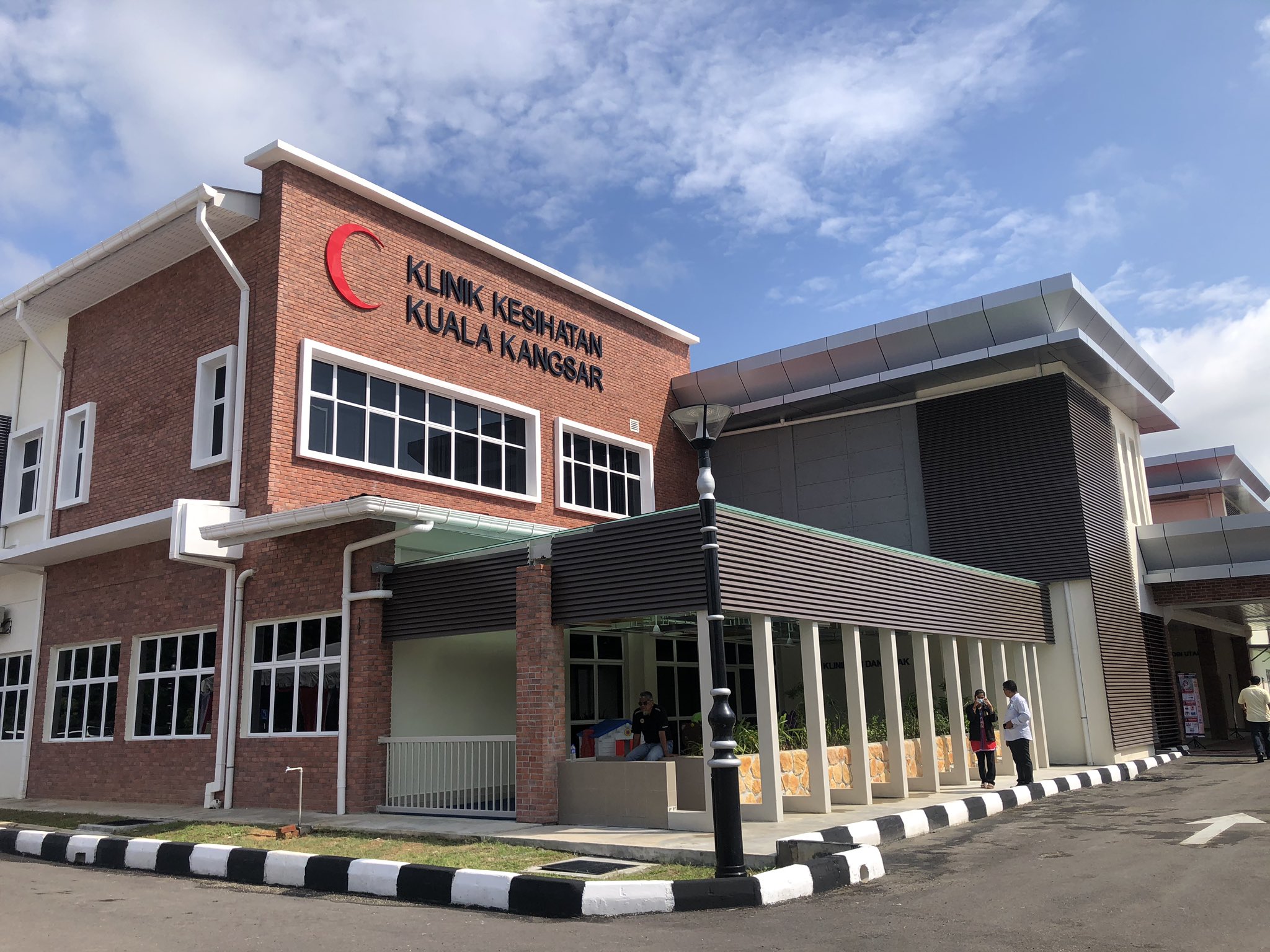
In Malaysia, Klinik Kesihatan (KK) is a form of government healthcare, providing a wide range of healthcare services to the public
Common facilities and services provided include:
- Outpatient Services: Treatment for common illnesses such as fever, flu, cough, and management of stable chronic diseases like diabetes, hypertension, and asthma.
- Maternal and Child Health: Antenatal and postnatal care, child immunisations, and growth and development monitoring.
- Dental Services: Basic dental treatments such as fillings, tooth extraction, scaling, and emergency dental care.
- Pharmacy Services: Medication dispensing, counselling on drug usage, and Medication Therapy Adherence Clinics (MTAC).
- Laboratory Services: Basic diagnostic tests including blood tests to support medical assessments.
- Rehabilitation Services: Physiotherapy and rehabilitation for patients in recovery.
- Mental Health Services: Basic mental health screening, counselling, and therapy for issues like stress, depression, or anxiety.
- Women's Health Services: Cervical cancer screening (Pap smear), breast examinations, and family planning services.
- Adolescent Health Services: Health education and counselling tailored to teenagers.
Note: The specific services available may vary slightly depending on the location and size of the clinic. It's best to contact your nearest Klinik Kesihatan for exact offerings.
Klinik Kesihatan in Malaysia are generally assigned based on residential location or catchment area. But unlike schools, there's no online portal that neatly tells you which clinic you fall under.
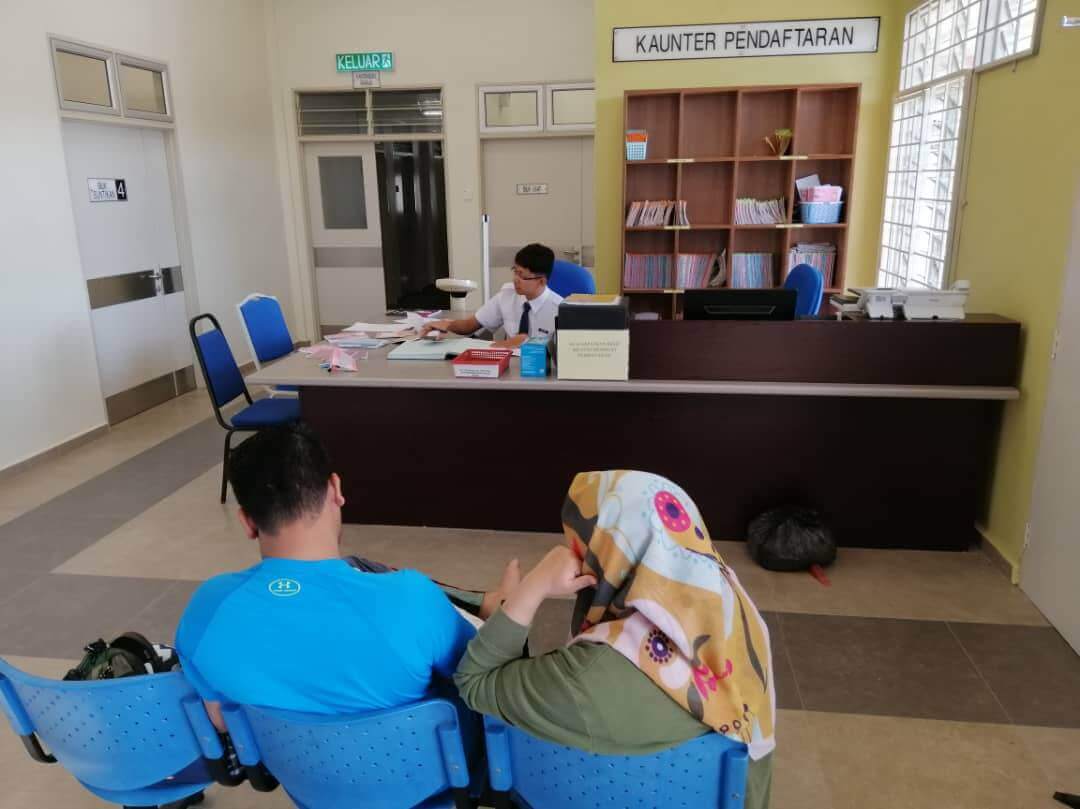
Each KK serves a specific geographical area, usually determined by the Health Ministry (MOH). Residents within that zone are encouraged to use their designated KK for continuity of care.
Nevertheless, your assigned KK might not always be the closest to you based on distance — it depends on the geographical assignment.
Typically though, your medical records are usually kept at the KK nearest to your address. Going to your assigned clinic helps with consistent treatment, follow-ups, and referrals to hospitals if needed.
When visiting a KK for the first time, you may be asked for proof of address (e.g., utility bill or IC with current address) to determine if you fall within their service area. That said, if you're in urgent need or travelling, KKs may still provide basic treatment, although advanced services might be limited for non-local patients.
Here's how to check which Klinik Kesihatan you're assigned to:
OPTION 1: Call your nearest KK and ask
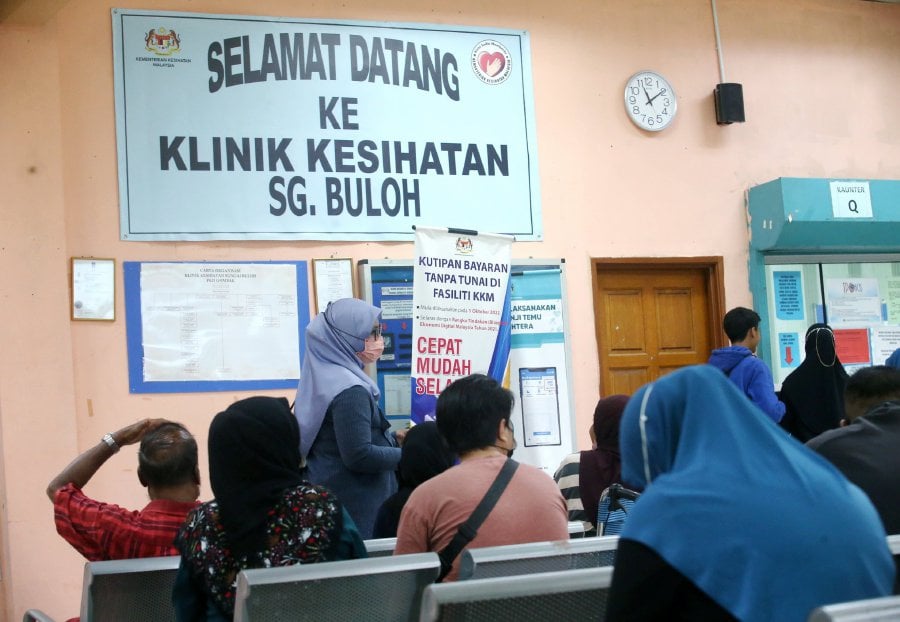
Look up the Klinik Kesihatan closest to your home and give them a call. Provide your current address and IC number, and ask if they cover your residential zone. If not, they'll usually redirect you to the correct one.
Pro tip: Many KK staff are more responsive in the morning (before 11am) on weekdays.
OPTION 2: Use the MOH facility search
Go to MOH's official directory. Search by state or district, then browse the list of KKs in your area. There's no postcode filter, but it's useful for getting contact info and operating hours.
OPTION 3: Ask your nearest District Health Office (PKD)
If you're really unsure which KK is yours, contact the District Health Office for your area. They oversee all public clinics in the region and can tell you exactly which facility to visit.
What if your IC address is different from your current address?
Some KKs may accept you based on your current place of residence, especially if you've just moved. However, you might be asked to provide proof of address, like:
- Utility bill in your name
- Tenancy agreement
- Employer's letter (if staying in company-provided housing)
If your KK insists on following your IC address, you may have to go to the clinic assigned to that area, or request a referral letter to transfer your care.
