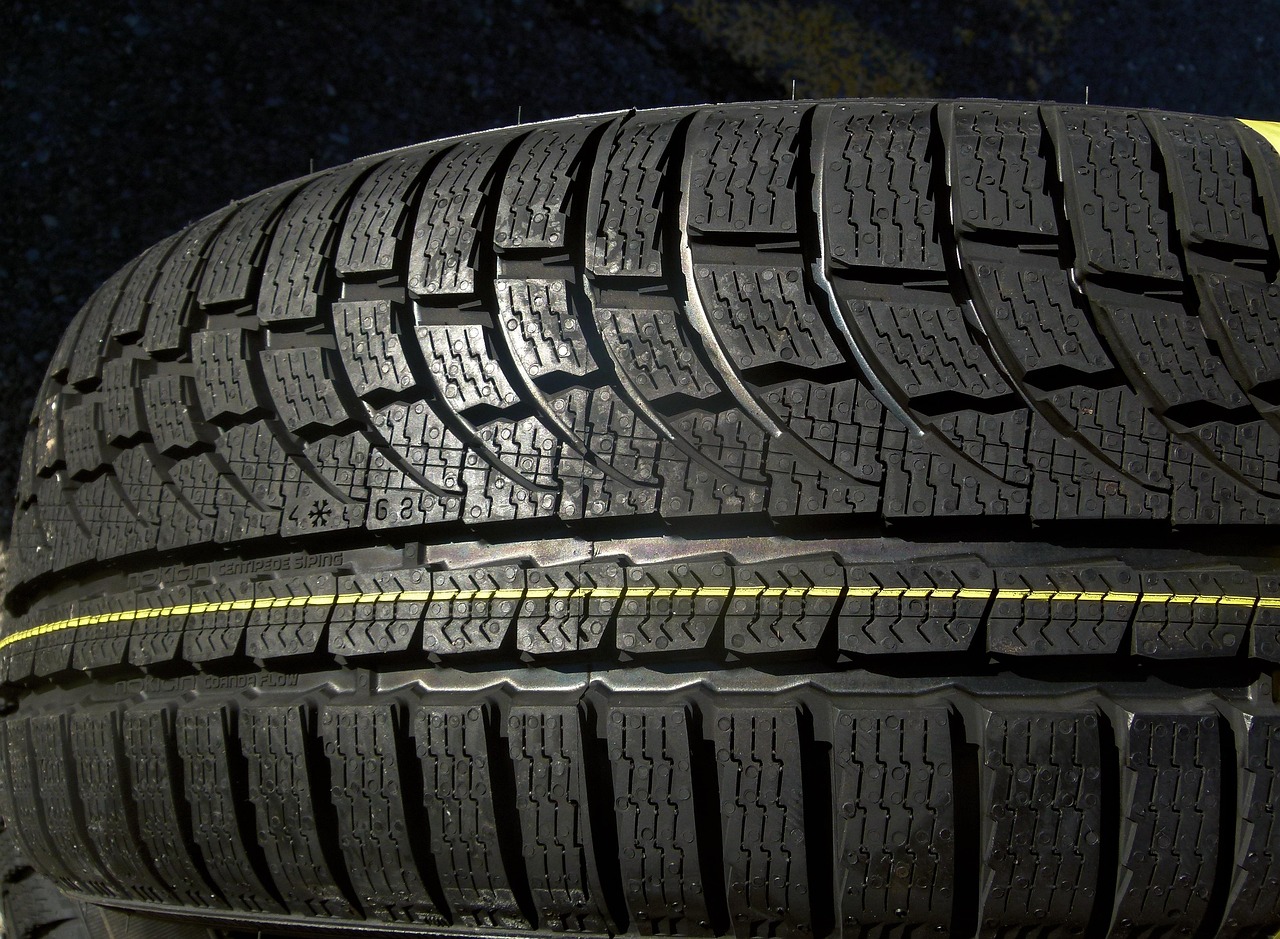
Here Are 5 Reasons Why Your Vehicle's Retreaded Tyres Could Be Your Silent Killer
Although technically legal in Malaysia, how safe is retreading actually?

By Rehan Qamar — 16 May 2025, 01:50 PM
While it might seem harmless, retreading tyres can cause more harm than you think
Tyre retreading is a process that extends the lifespan of a tyre by applying a new tread layer onto a used tyre carcass.
This is typically done on aircraft and truck tires. While most of us might assume this to be a reliable method of ensuring vehicle safety, it can actually go south.
Many car owners choose this option because it's more affordable and eco-friendly compared to manufacturing a new set of tyres.
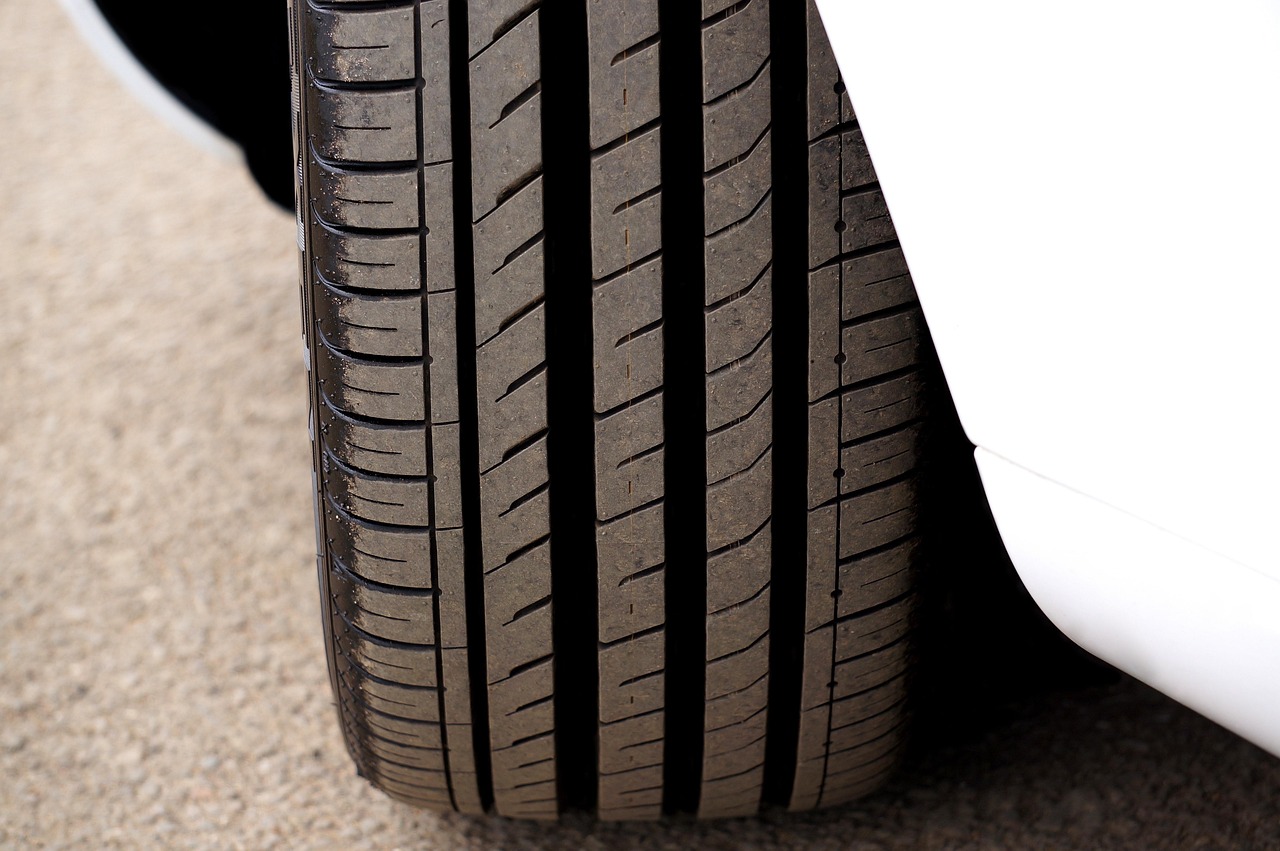
However, here are some alarming reasons why retreading your tyres can pose significant safety risks:
1. Standard car tyres are not typically built for retreading
According to Tyrepower, these vehicles' tyres are made of relatively thinner materials.
This is why they're not fit for retreading, and why car insurance companies don't recommend it either.
2. Retreaded tyres leave debris on roads, which can be dangerous obstructions
According to Malay Mail, chunks of tyre tread tend to separate from the carcass and end up on the road.
When left unchecked, these pieces of debris can go unnoticed by unsuspecting drivers due to their low visibility.
Hence, it's no wonder why there is a growing concern over accidents caused by such debris.

3. Mismatches in retreading between different tyres can lead to serious damage
According to McCarthy Subaru of Lawrence, the tyres on each side of the car must be the same size.
This is to ensure a uniform rate and speed of rotation.
In the probable chance that the tyres' retreading don't match, this could seriously damage the axle, transfer case, and drivetrain.
As standard car tyres are commonly more difficult to match, it's a no-brainer why tyre retreading might not be the best idea.
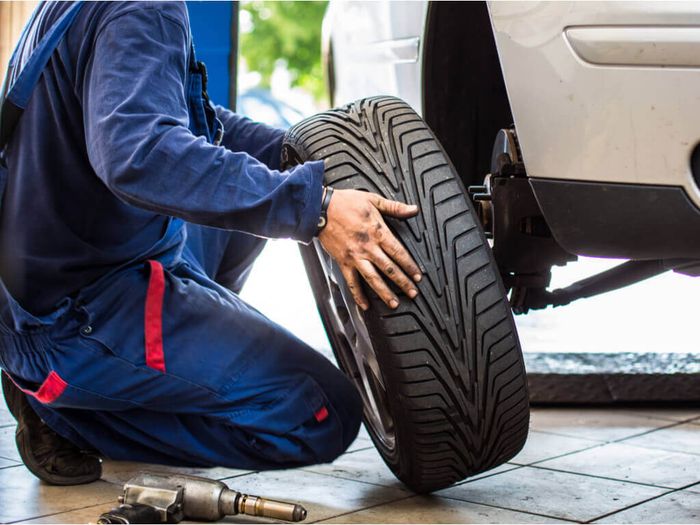
4. Higher friction of retreaded tyres = more heat damage
... and more heat damage means worn-out tyres.
McCarthy Subaru of Lawrence also mentions that this leads to tyre deterioration. In worst cases, the tread and rubber might even separate.
Such damage to your car tyres can't be good, especially during long drives. Before you know it, you could find yourself in a dire situation with faulty tyres in the middle of a road.

5. Some tyre shops fail to inspect the internal condition of your car tyres before retreading
According to Crash Forensics, one hidden culprit is actually the lack of internal casing inspection on car tyres.
When internal defects in the tyre casing go unnoticed, they can lead to serious problems that become even harder to detect after retreading is done.
This is why it's important to at least think twice before retreading, as you may not be aware of underlying tyre issues that need to be addressed first.