How To Pay Cukai Taksiran Or Cukai Pintu In Malaysia Online
The tax is charged twice a year.

By Jeremy Ng — 25 Apr 2025, 11:09 AM
If you own a property in Malaysia, whether it's a house, shoplot, or condo, you're required to pay cukai taksiran twice a year
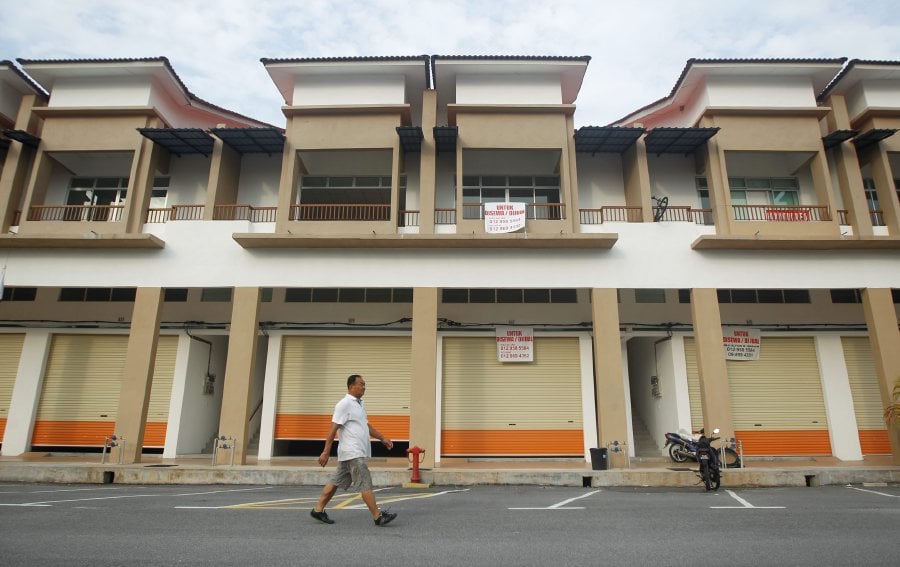
We've rounded up everything you need to know about what it is, how much it costs, how to pay it, and how to get your account number if you've misplaced it or if it's your first time paying.
So, what is cukai taksiran?

Cukai taksiran, also known as cukai pintu or assessment tax, is a biannual property tax that goes towards the maintenance of public amenities in your area.
That includes:
- Waste collection
- Street lighting
- Drain cleaning
- Park maintenance
- Road repairs
It's charged by your local Majlis Perbandaran (Municipal Council) or Majlis Bandaraya (City Council), and applies to all types of properties — whether they're residential, commercial, or industrial. For example, if you're staying in the KL area, you'd pay your cukai taksiran to DBKL.
The amount you pay is based on your property's annual rental value and a fixed assessment rate determined by your local council. The valuation may differ year-to-year depending on your property's estimated value.
Do tenants need to pay cukai taksiran?
While cukai taksiran is billed to the property owner, some landlords pass the cost on to tenants, especially for commercial leases. If in doubt, check with your landlord or refer to your tenancy agreement.
When do you need to pay your cukai taksiran?

Cukai taksiran is billed twice a year. However, some councils may allow you to pay for the full year at one go, which can be convenient for budgeting.
First half: 1 Jan to 28 Feb
Second half: 1 July to 31 Aug
If you miss the payment deadline for cukai taksiran, you may be charged a late penalty or interest, depending on your local council. Continued non-payment can result in reminder notices, legal action, or even a warrant of distress. It can also cause issues when trying to sell or refinance your property, as all outstanding taxes must be cleared first.
For property owners facing difficulties, some councils may offer instalment plans or consider waiving penalties, so it's best to contact them early.
Here's how to check and pay cukai taksiran online:
Most local councils will send out physical bills via mail to the address registered with them. However, some are transitioning to digital-only billing, especially in urban areas.
Typically, you can check and pay your bill through your local council's website, app, or email and SMS services.
Here are local councils that offer online portals for easy payment:
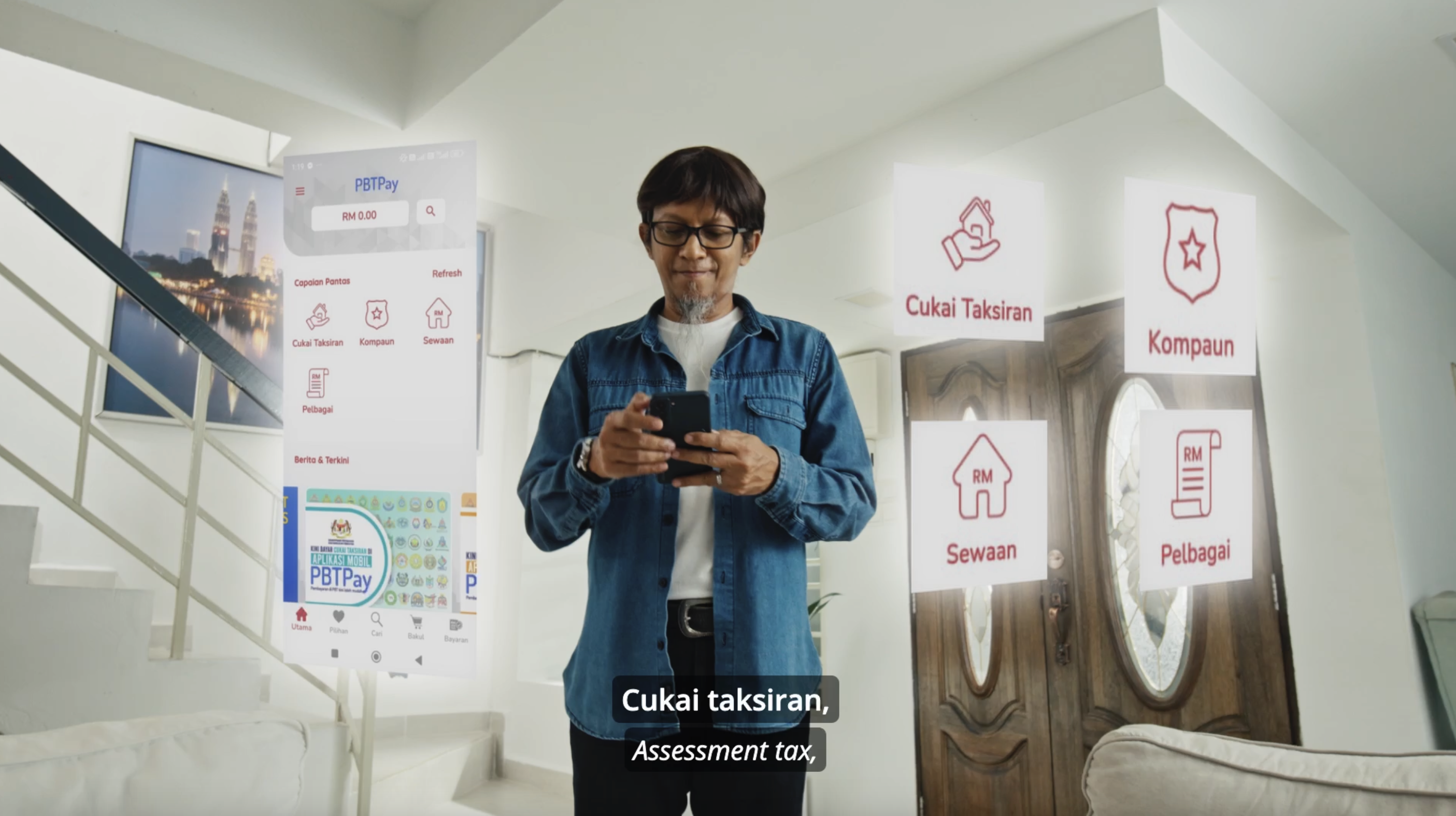
Alternatively, you can make use of PBTPay, a one-stop platform that allows you to pay cukai taksiran, compounds, and other bills to selected councils.
If you face any difficulties with these portals, you can also pay via your nearest post office or over-the-counter at council service centres.
Be sure to keep a copy of your payment receipt, digital or printed, in case you need it later for legal or property dealings.
What if it's your first time paying cukai taksiran or you've lost my account number?
If you've never received a bill or you've lost your previous documents, you can still get your account number by calling your local council.
Here's how it works:
- Call the customer service line of your municipal or city council
- Provide your full property address, owner's name, and IC number
- The officer will verify your information and provide you with your assessment account number
- Some councils may also offer to email or WhatsApp you the details for easy reference
This is especially useful if you're a new homeowner or recently moved in and haven't received any bills yet. Once you have your account number, you can check your balance and make payments online.
