Did You Know: This Orangutan Healed Itself With Medicine — Without Being Taught How
Is there a doctor in the jungle?

By Ian Wee — 23 May 2025, 03:24 PM
Look, orangutans are smart — but it turns out they're smart enough to treat their own wounds
The remarkable event was documented last year at the Suaq Balimbing research station in Gunung Leuser National Park, which is home to around 150 orangutans.
Rakus, a male Sumatran orangutan believed to be in his early 30s, sustained a visible injury on his cheek, likely from a fight with another male.
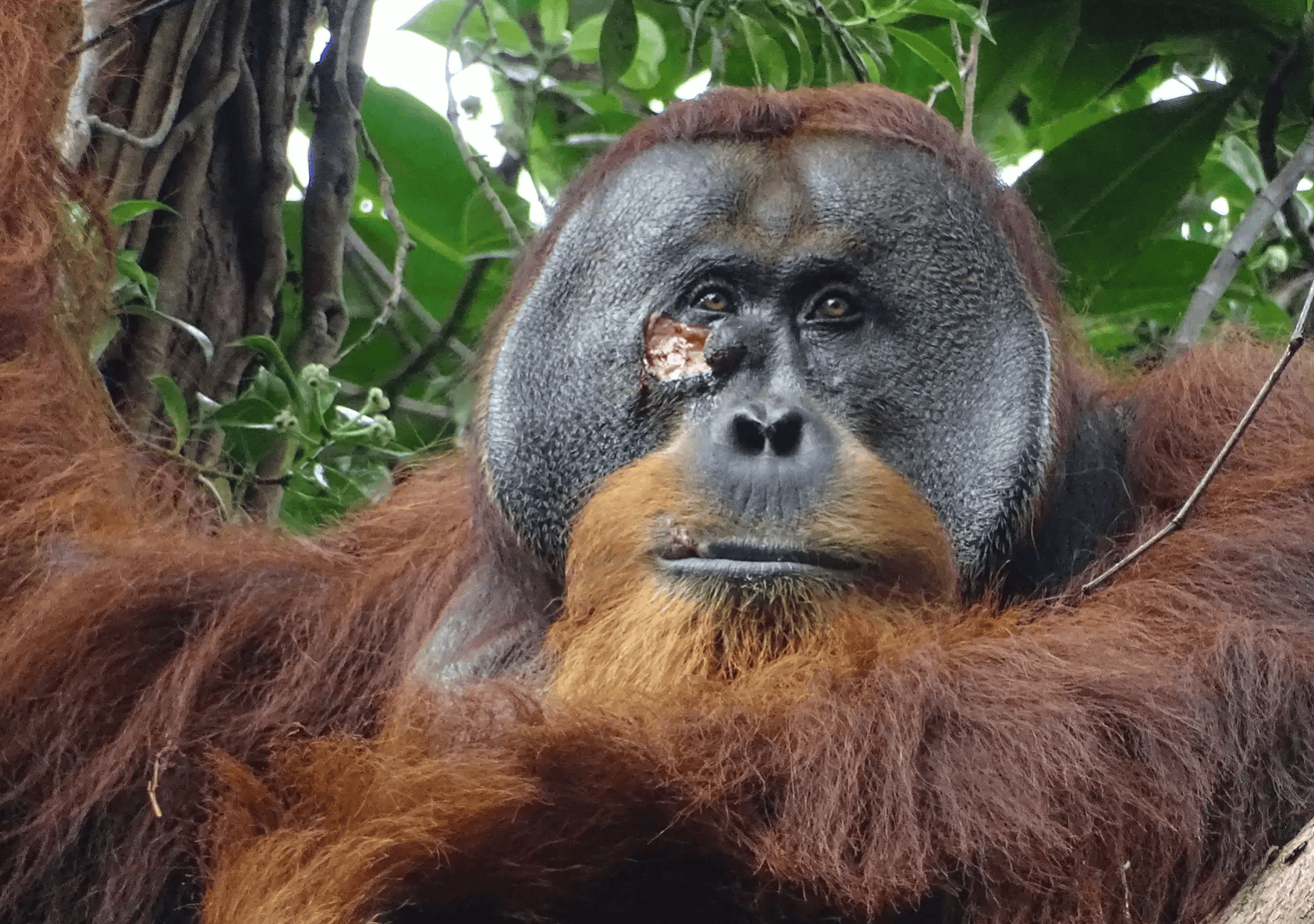
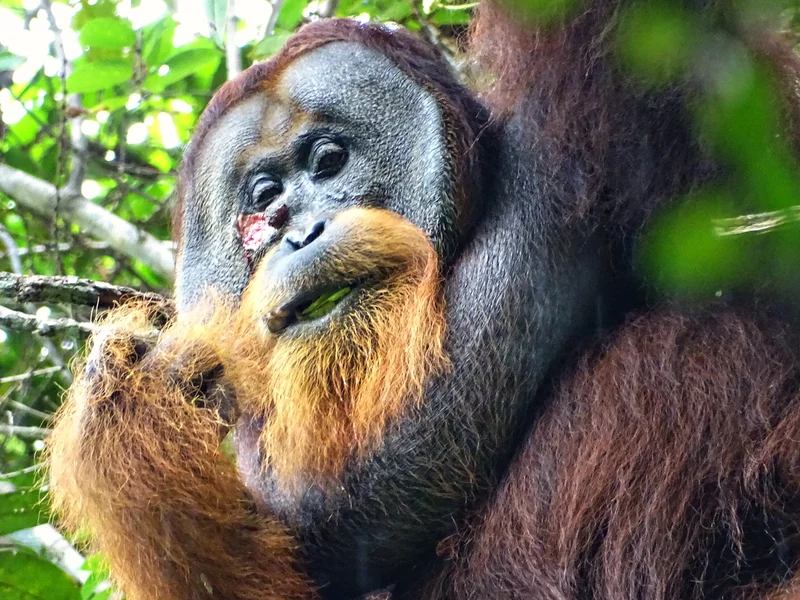
To the astonishment of researchers, he chewed up leaves from the Fibraurea tinctoria plant before applying the resulting mash to his cheek. Rakus repeated this process several more times over the next few days.
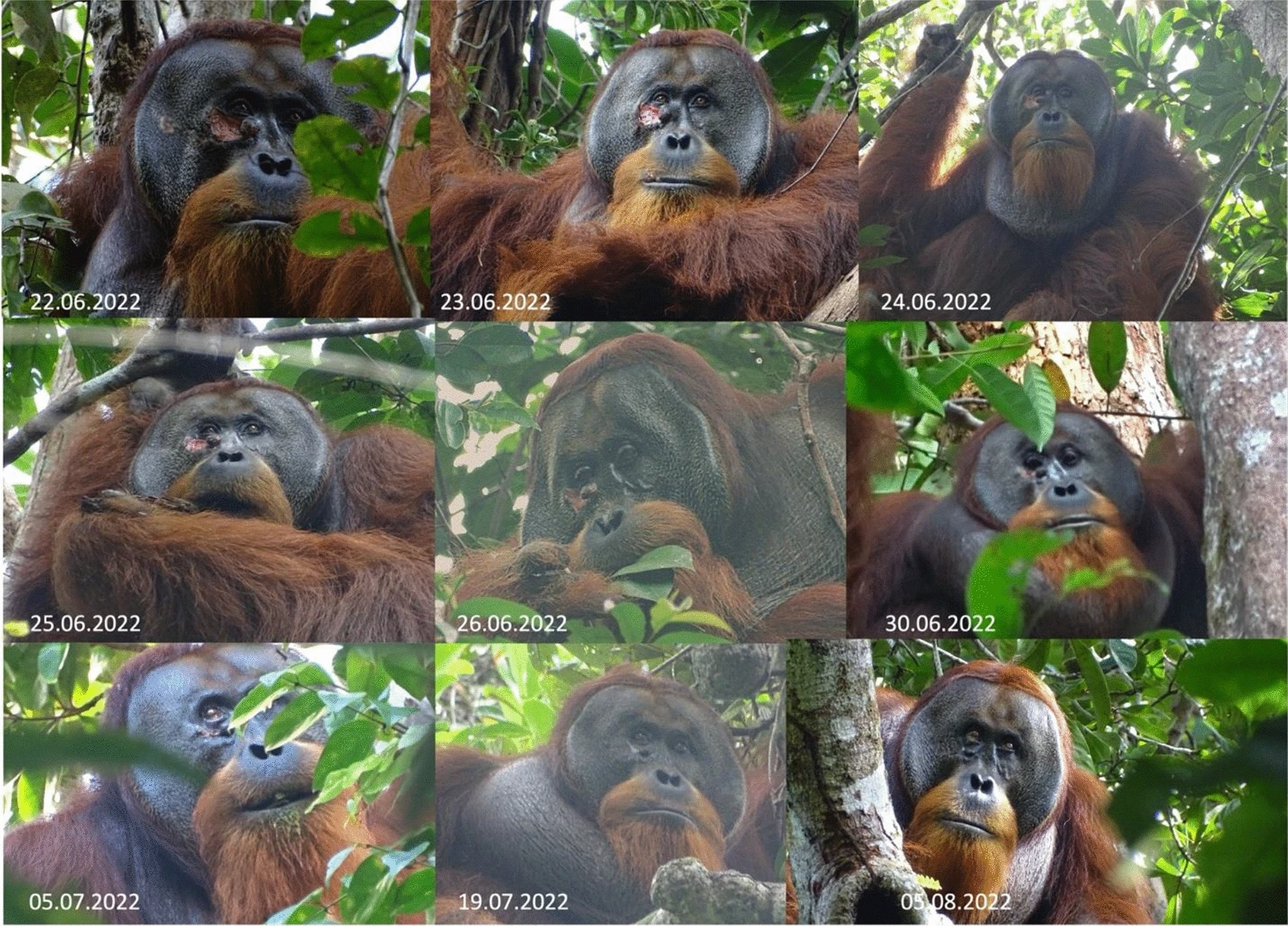
Within five days, the wound had closed, and after a month, only a faint scar remained
Rakus was also observed to rest more when the wound was fresh, compared to before and after the injury.
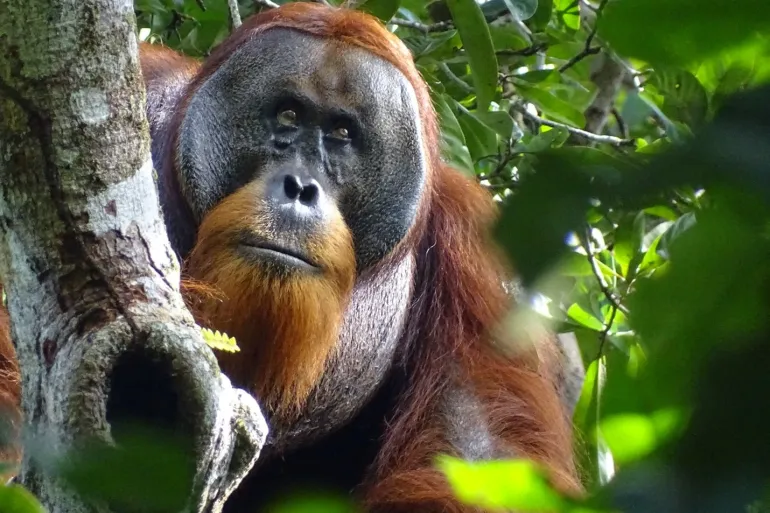
What was in that plant he used as medicine?
Fibraurea tinctoria, also known as akar kuning, akar palo, and yellow root, is a climbing plant traditionally used in Southeast Asia as a painkiller, fever reducer, and treatment for various ailments such as dysentery and malaria.
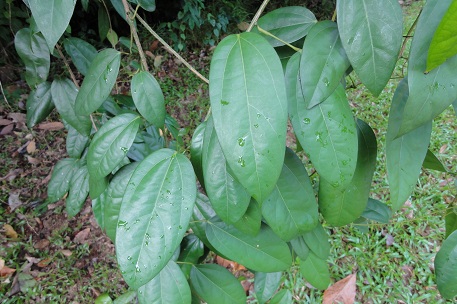
The plant is known for its anti-inflammatory, anti-fungal, antioxidant, and anti-carcinogenic properties, and for inhibiting the growth of bacteria species.
However, it is still unclear if Rakus learned about this plant's properties from another orangutan, or if it was a discovery he made himself.
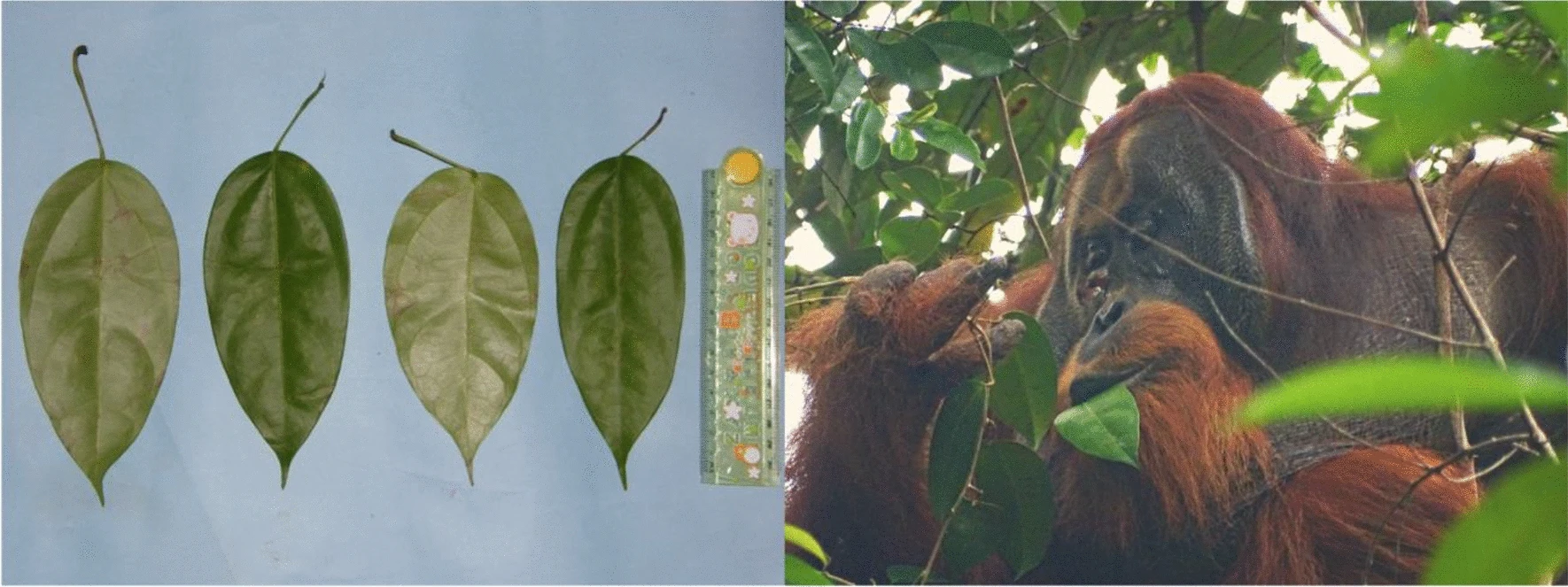
In any case, it represents the first scientifically documented case of an orangutan using a medicinal plant for active wound treatment
There have been other documented cases of animals apparently using medicine, such as chimpanzees applying crushed insects to treat sores — though the effectiveness remains uncertain.
However, in 21 years and over 28,000 hours of observation, no orangutan had ever been seen using leaves to treat injuries in a similar way.
It is possible that orangutans may learn this behaviour by accident when eating F. tinctoria leaves, then touching their own wounds with its juice and feeling a sensation of pain release which they repeat.
More research is needed, but it does make one think about how early humans discovered medicine too, through trial and error with plants we found in the wild.
All of this is a powerful reminder of how similar we are to our ape cousins — and why protecting them is more important than ever
Paws what you're doing and check out Furever Friends for more stories, videos, and updates!