Actually Ah, What Is Bedak Sejuk? This Is The Story Behind The Traditional Cooling Powder
It's simple, it's cooling, and it's been keeping us fresh for generations.

By Kamini Muniandy — 25 Apr 2025, 11:08 AM
Most of us grew up seeing bedak sejuk on our nenek's dresser — but few of us know how much history it holds
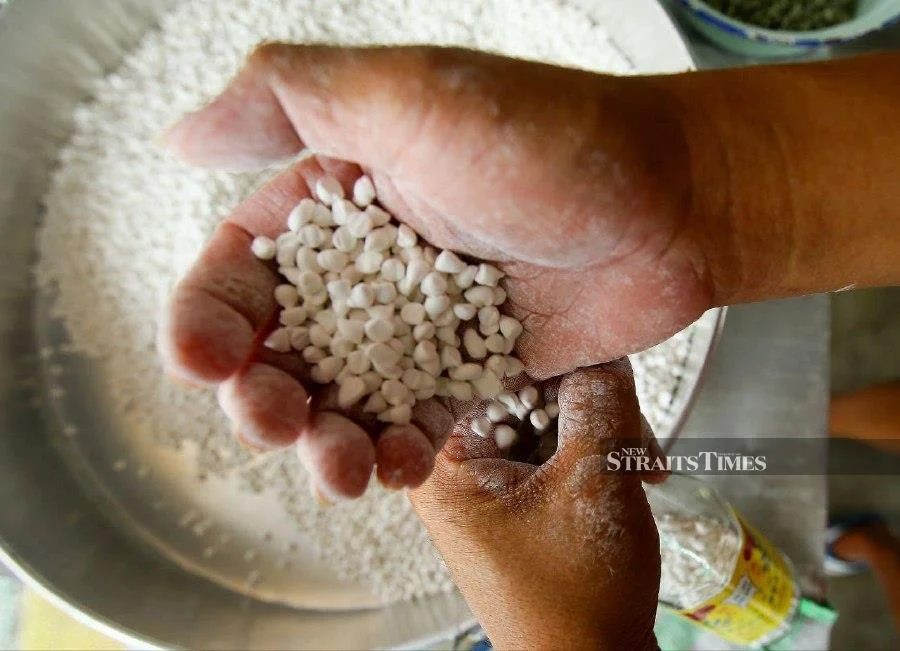
If you're Malaysian, chances are you've seen bedak sejuk before. Maybe you remember your grandma patting it onto her face before bed, or your mum dabbing it on your itchy mosquito bites when you were little.
That cool, clay-like paste that hardens into a pale mask — have you ever wondered what it does, where it comes from, and why people still use it?
The name says it all — bedak sejuk means "cooling powder", and it does exactly that
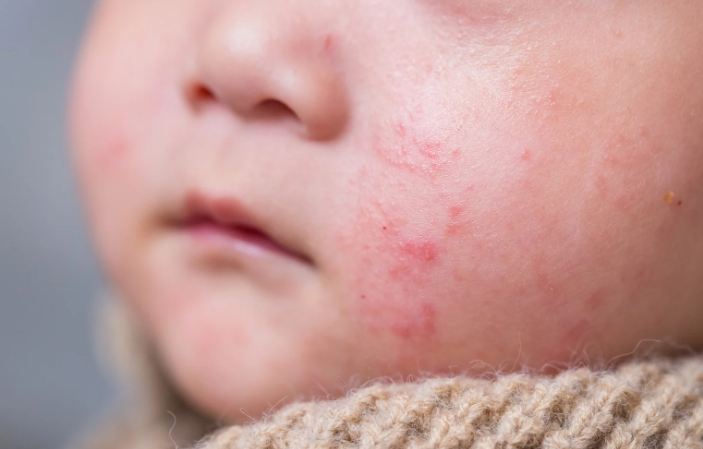
The name is as literal as it gets. Bedak means powder, and sejuk means cool. At its core, it's a natural remedy used to relieve heat — whether internal, like fevers or angin, or external, like sunburn and sweat-induced irritation.
Because it is made from ingredients already found at home, it is cheap, gentle, and easy to make. Even now, many people still use it to calm heat rashes on babies, or apply it during confinement to help women feel cooler and more comfortable after childbirth.
The basic recipe for bedak sejuk starts with rice, but some families pass down secret recipes like heirlooms
Bedak sejuk recipes usually involve rice (either white or glutinous) that's been soaked, fermented, and sun-dried. There are countless variations passed down through generations.
Some families swear by glutinous rice for a smoother, silkier paste. Others add natural ingredients like turmeric (for antibacterial benefits), pandan leaves (for fragrance), or even bunga tanjung petals for that luxurious, old-world feel.
It's not uncommon for these recipes to be treated with the same reverence as sambal or kuih — personal, protected, and passed down like heirlooms.
The process is slow, deliberate, and rooted in tradition
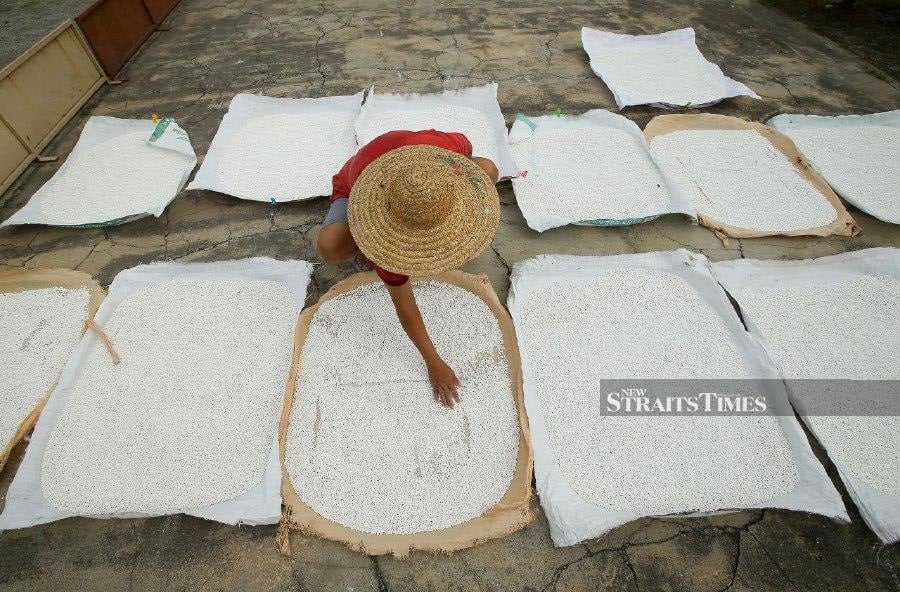
Making bedak sejuk isn't something you rush. The process can take several weeks, requiring patience, attention, and a bit of faith in the elements.
After soaking the rice, the water is changed daily to prevent spoilage. Then, the fermented mixture is ground into a paste, shaped into pellets or discs, and left to dry under the sun — often on old rattan trays lined with cloth. In some households, especially in the kampung, the process even follows the lunar calendar, with certain phases believed to yield better results.
It's a slow art in a fast world — one of the reasons why traditional bedak sejuk has become rarer today.
It used to be common to wear it overnight, like a cooling sleep mask
Ask your elders, and they'll likely remember sleeping with bedak sejuk smeared thick on their faces — especially during the hottest nights of the year. Once it dried, it formed a cool, stiff mask that helped keep the skin clear and fresh.
Before the rise of moisturisers, toners, and K-beauty trends, this was skincare. No frills, no packaging, just powder and patience. And honestly, it worked.
It's still trusted today — especially for babies and women in confinement
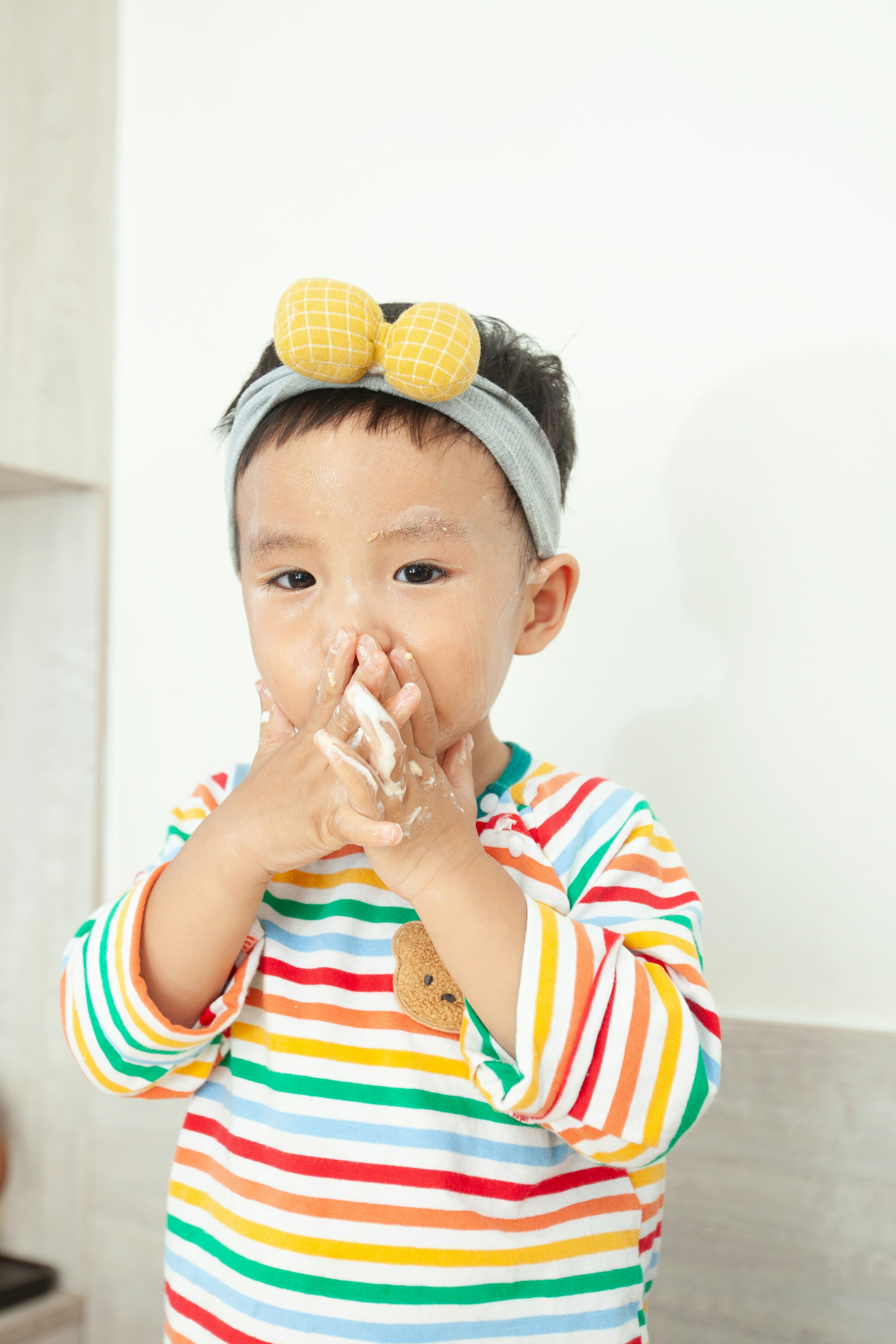
Despite the wave of modern skincare products, bedak sejuk hasn't completely vanished. Many new parents still rely on it to treat their babies' sensitive skin — from heat rash to insect bites — because of how mild and natural it is.
Women in pantang also continue to use it to reduce body heat, soothe their skin, or simply reconnect with the comfort of tradition. In a time where wellness is being redefined, these old remedies are finding new relevance.
A 2022 study by UKM found that the rice water used to make it contains amino acids like lysine, glutamic acid, and arginine, which are great for hydration and skin conditioning.
Another study in 2013 by Universiti Malaysia Kelantan also confirmed that bedak sejuk is free from harmful chemicals like mercury, lead, and cadmium. Natural, safe, and packed with benefits — no wonder it's still around.
But more than a beauty product, bedak sejuk is a thread that ties generations together
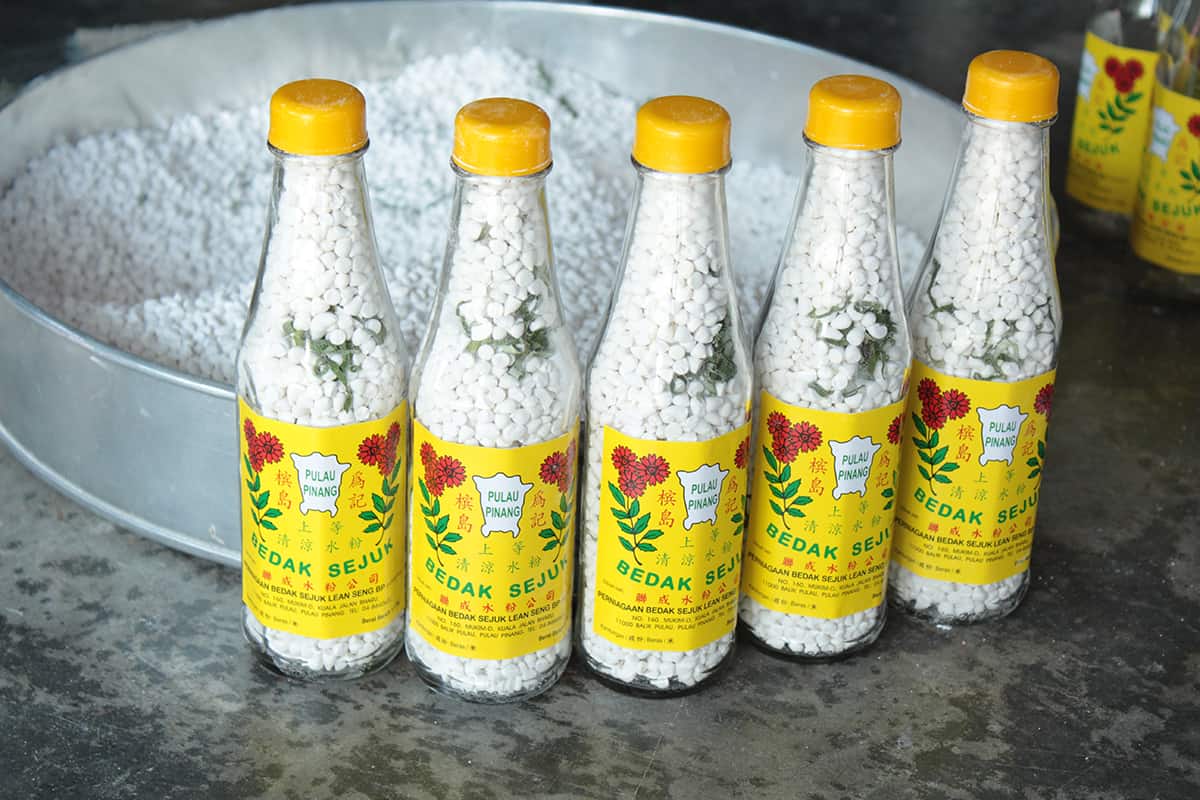
There's something quietly powerful about the scent of bedak sejuk — slightly musty, faintly floral, and unmistakably nostalgic. For many, it brings back memories of sitting at a vanity while your nenek dabbed it on with care. Or standing in the afternoon heat, watching your mum gently press it onto your back to soothe a stubborn rash.
It's not just about looking good. It's about the rituals we inherit. The things that remind us of who we are, and where we come from. And that's why, after all these years, bedak sejuk is still on our faces.
