Not Gonna Lie, I Think Malaysians Are Being Scammed By 'Wagyu'
From overpriced nasi goreng to RM70 pizza, wagyu has become a buzzword. But is it the real thing?

By Shazwina Zakaria — 04 Apr 2025, 02:20 PM
I thought I was eating wagyu... but I'm not so sure anymore
Recently, I came across a TikTok showing a Ramadan bazaar stall selling "Wagyu Nasi Goreng" for RM25. Just rice and meat, no veggies. The price? I couldn't believe it.
At first, I brushed it off as a one-off. But then I started noticing the same thing popping up everywhere... from wagyu burgers at food trucks to wagyu pizza in Kedah that costs more than RM70.
I couldn't help but wonder: Is this even real wagyu, or are we just paying extra for the name?
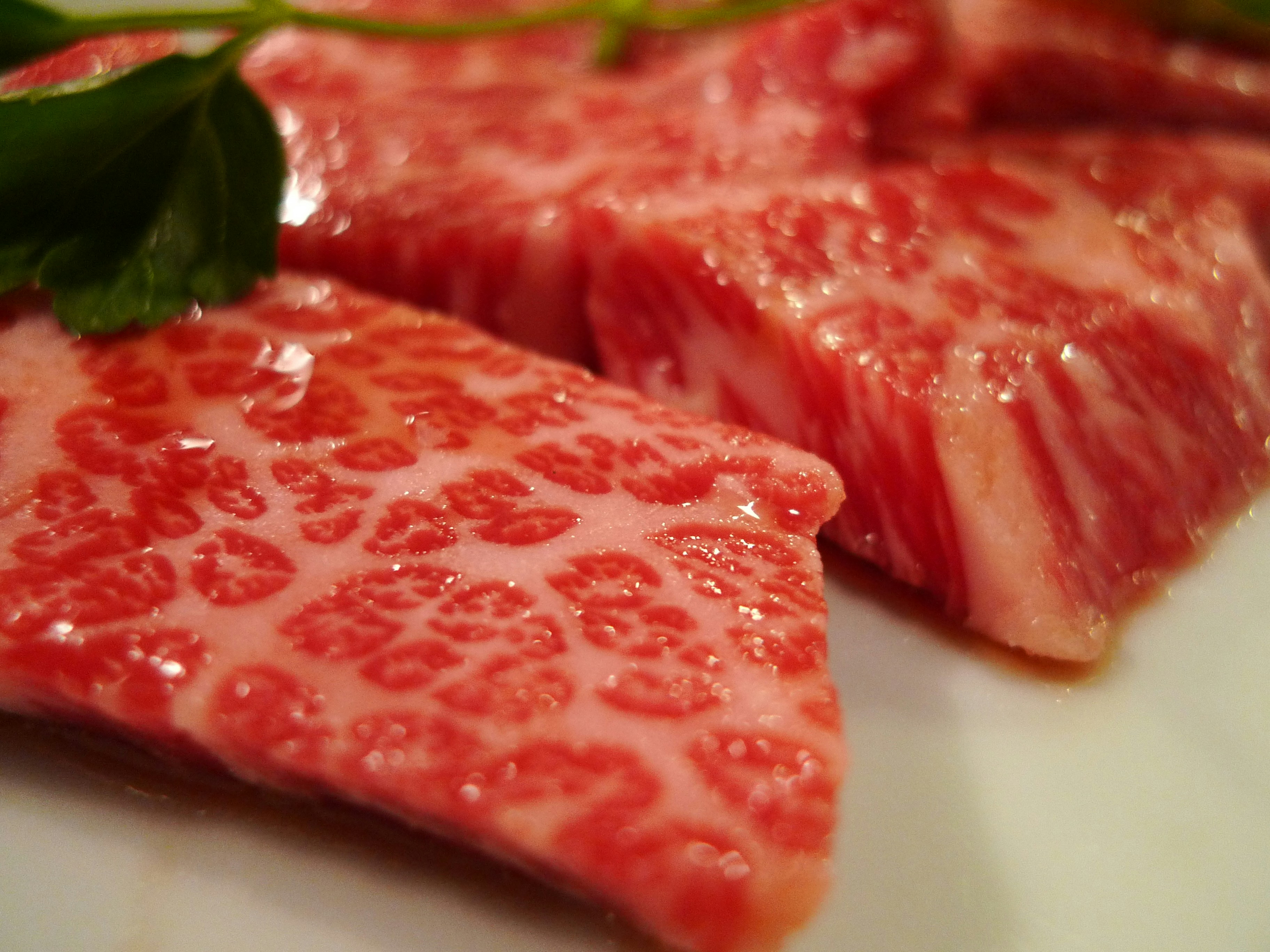
In Malaysia, anyone can call their beef "wagyu"
Unlike Japan or Australia, Malaysia doesn't have any law that defines what wagyu actually is. That means restaurants and stalls can slap the word "wagyu" on just about anything, and most of us wouldn't know the difference.
Here's how other countries actually regulate it:
- Japan: Grades wagyu from A1 to A5 based on marbling, fat quality, and meat texture
- Australia: Uses the MSA grading system (MS1 - MS9)
- USA: Has an actual Wagyu Association to make sure you get the real stuff
In Malaysia? None of that.
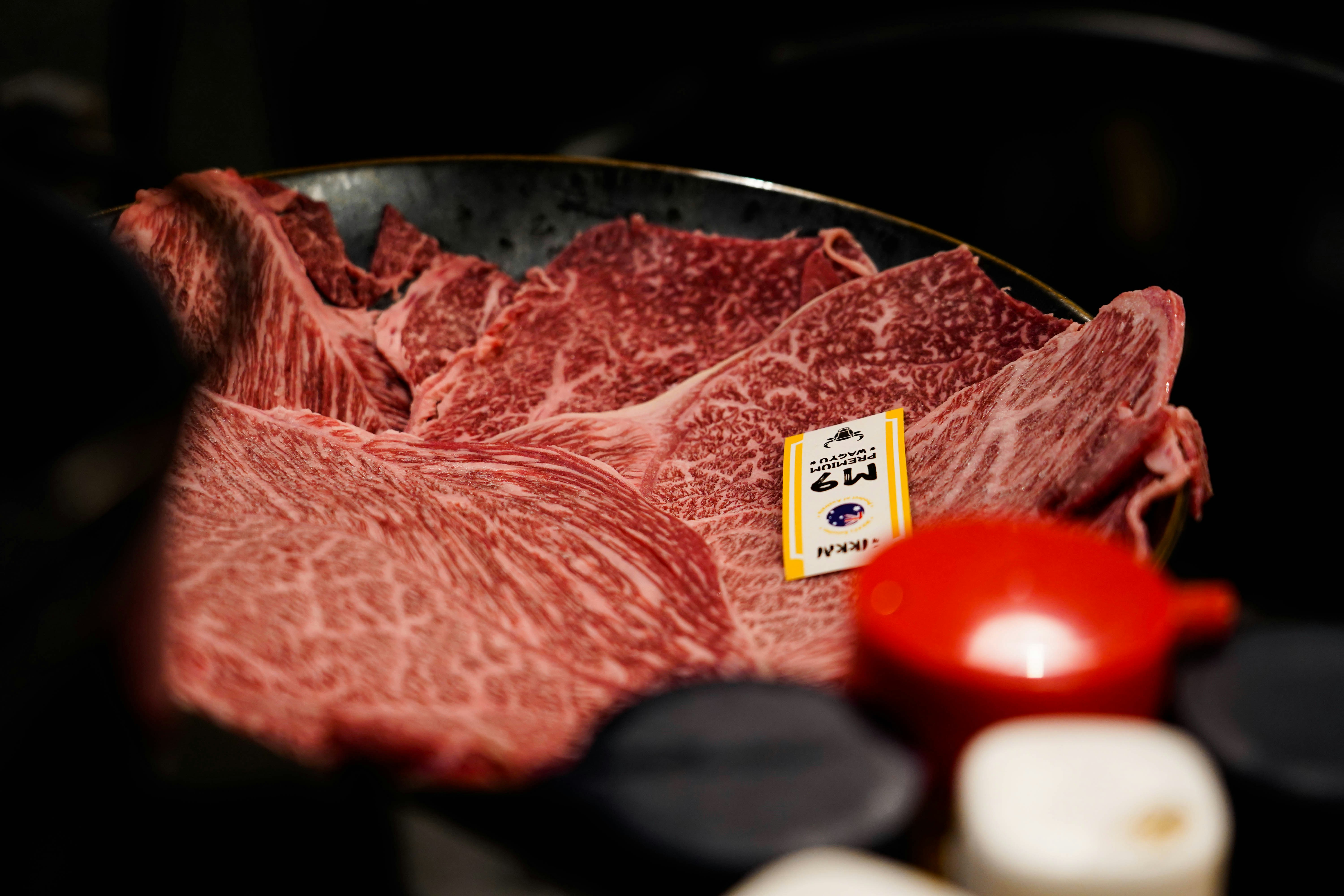
Based on the marketing tricks I've seen so far, you should look out for the following:
- "Wagyu-style" beef: Looks marbled but usually isn't real wagyu
- Wagyu blends: Just a small portion of wagyu mixed with regular beef
- Vague labels: Terms like "Japanese beef" or "wagyu mixed" with no clear explanation
To be fair, some places do serve real wagyu, but a lot of others just use the term to make you pay more.
I compared a few dishes across cafés and menus online, as well as referred to RinggitWise.my, which tracks food pricing trends.
Here's the rough difference of how much more you're actually paying:
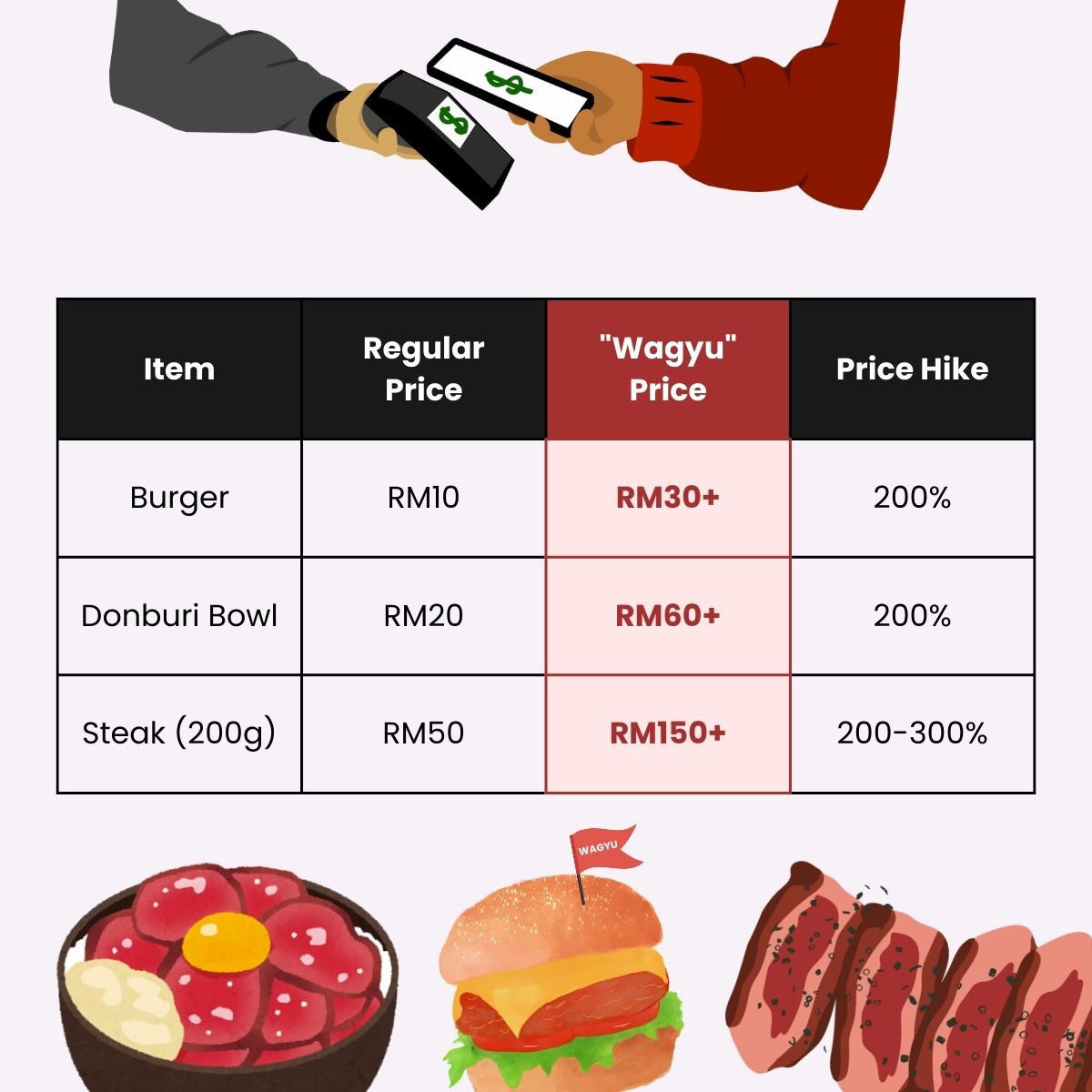
All that for a label? Yikes.
It's not just wagyu... luxury food pricing is everywhere
Malaysians are no strangers to trendy, overpriced food.
I've seen truffle fries that are usually made with synthetic truffle oil, gold-coated burgers that look fancy but taste the same, and "artisan" food that consists of normal ingredients with a premium sounding name.
Don't get me wrong, there's nothing wrong with treating yourself. But there's a difference between paying for quality and paying for hype.
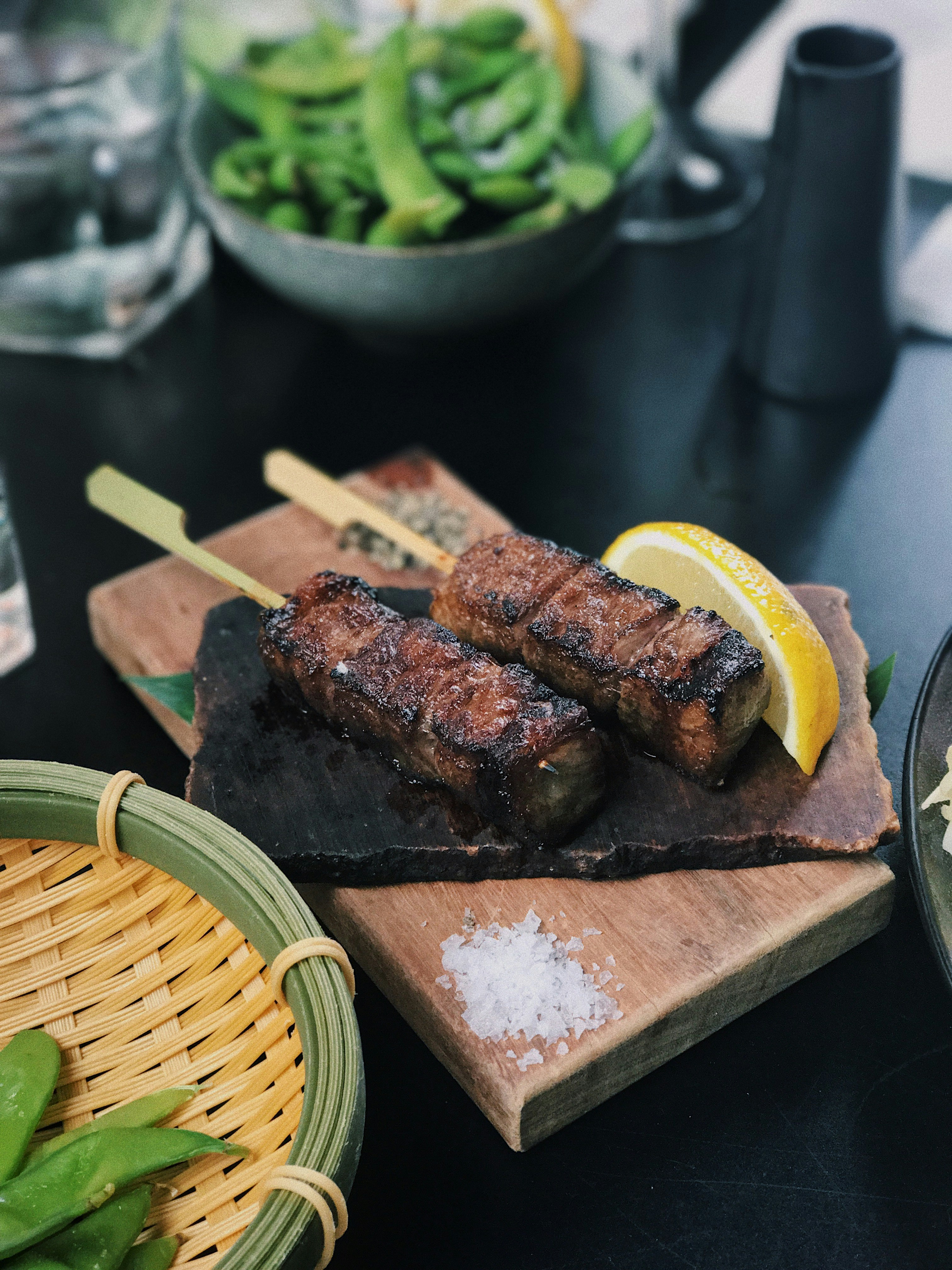
Here are some tips I've picked up on how to tell if your wagyu is actually legit:
- Ask where it's from: Real wagyu usually comes from Japan (e.g. Kobe, Miyazaki) or certified Australian farms
- Look at the marbling: It should be fine and even, not just random fat
- Don't trust cheap wagyu: If the price sounds too good, it probably is
- Ask questions: A legit seller won't mind telling you more about the grade and cut
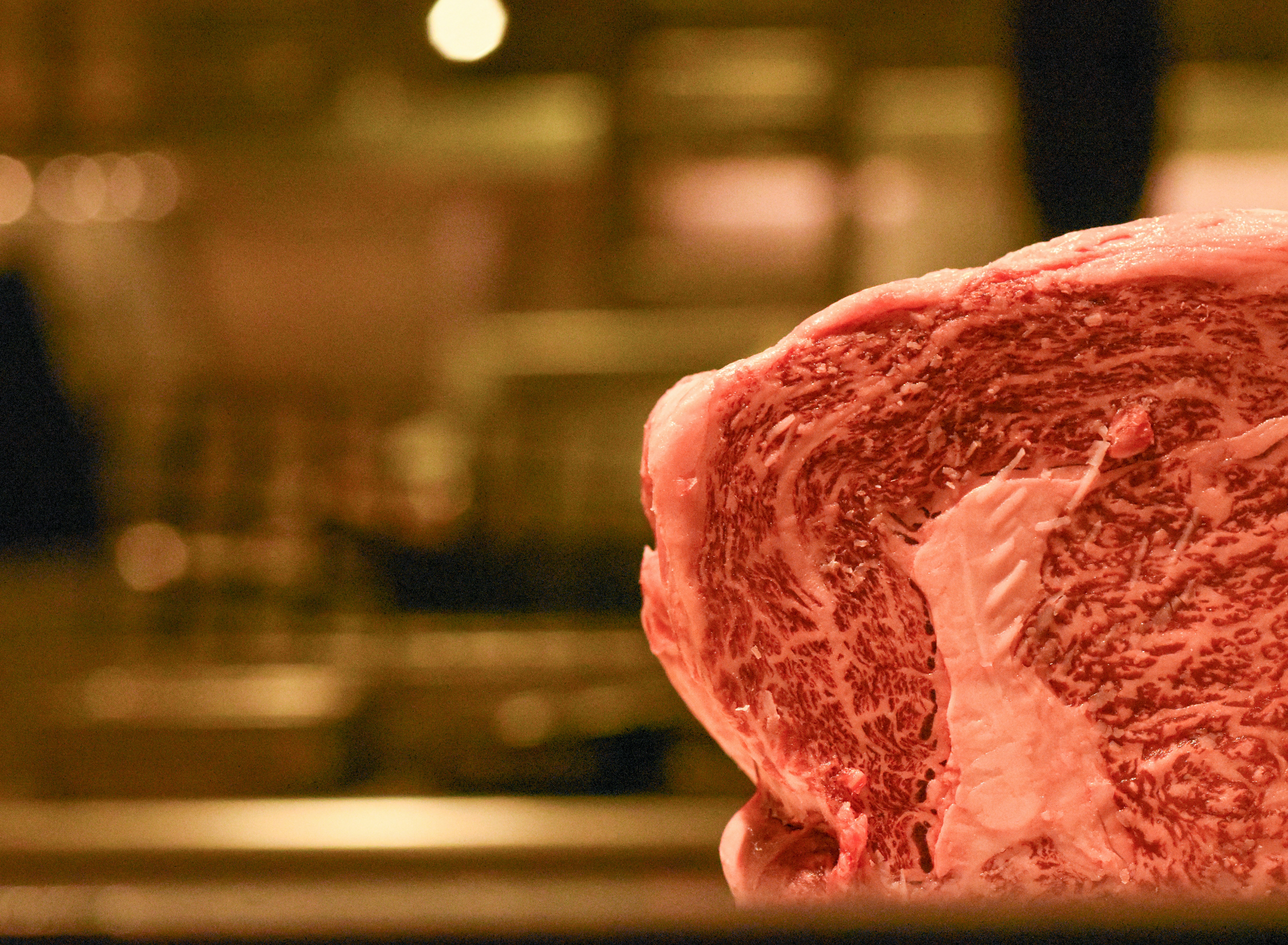
Malaysians, don't fall for the wagyu trap
Honestly, I think we're being sold an illusion. A lot of the "wagyu" out there is just regular beef with a nice name and a fancy price tag.
So, the next time you see RM25 nasi goreng or RM70 wagyu pizza, think twice. Is it really premium meat… or just premium marketing?
This story is a personal opinion of the writer and does not necessarily reflect the position of SAYS.
You too can submit a story as a SAYS reader by emailing us at [email protected].
